Understanding Demolition & Disposal Costs in Seattle for Your Seattle Project
Transparent Pricing for Demolition & Disposal
Get a clear understanding of our service costs across Seattle. All prices are starting points — final quotes depend on project specifics.
Free Estimate
No obligation quote

Project & Assessments

Preparatory Works

Structural & Carpentry

Mechanical, Electrical & Plumbing (MEP)

Finishes & Installations

Additional Services & Permitting
Demolition & Disposal Services in Seattle
Explore our professional demolition & disposal solutions. Click on any service to learn more about what we offer.

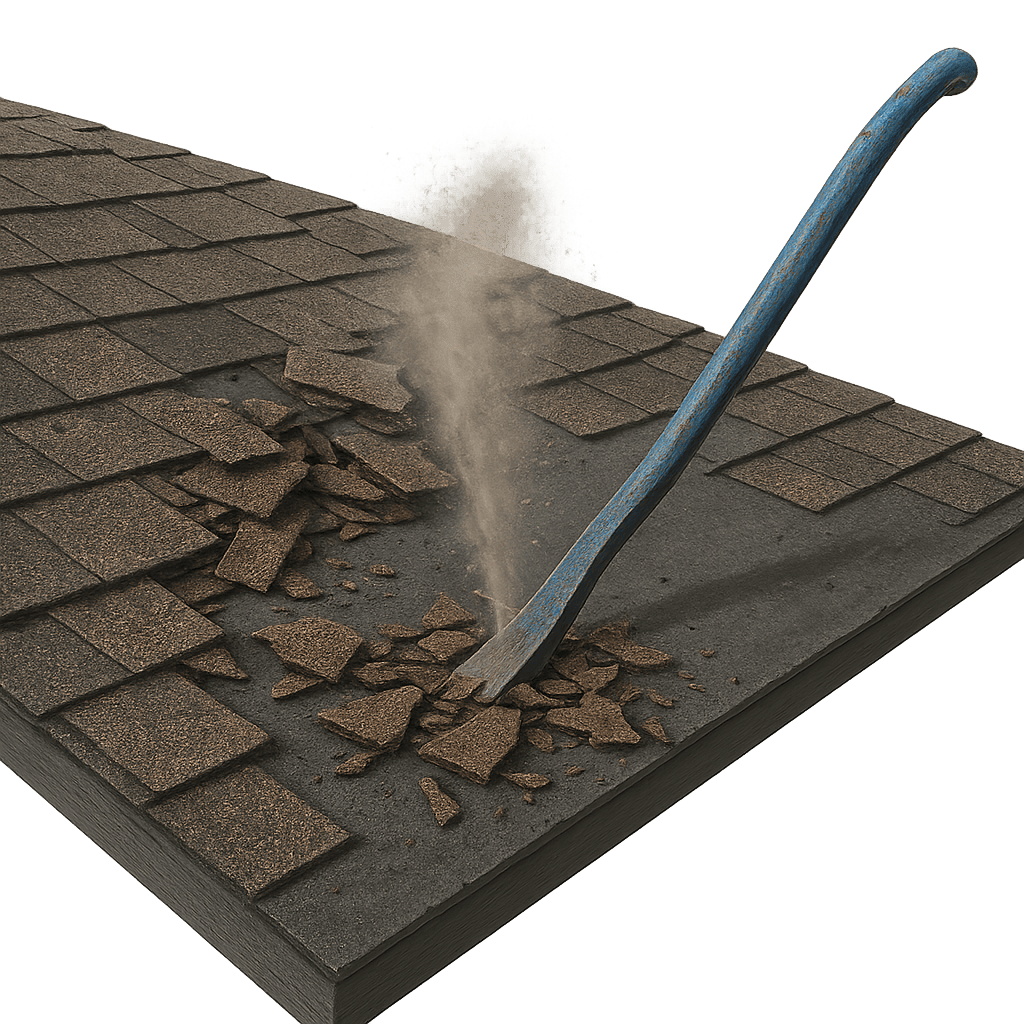
Roof Tear-Off
Are you overwhelmed by the potential costs associated with a roof tear-off in Seattle? This crucial renovation step can ...

Debris Haul-Away
Are you grappling with the aftermath of a roof renovation in Seattle? One pressing concern is the cost and logistics of ...
Understanding Roof Tear-Off Costs in Seattle: What Homeowners Should Know
Roof Tear-Off Pricing
Project & Assessments
Preparatory Works
Structural & Carpentry
Mechanical, Electrical & Plumbing (MEP)
Finishes & Installations
Additional Services & Permitting
Prices are starting points. Get an exact quote for your project.
Common Roof Tear-Off Problems in Seattle Homes
In Seattle, homeowners frequently encounter a range of roofing issues that necessitate a roof tear-off. One prevalent problem is the presence of leaks, often resulting from aging materials or improper installation. You might notice water stains on your ceilings or walls, indicating a failing roof. Additionally, roofs suffering from significant shingle damage—such as curling or missing shingles—are common across the city. These signs can indicate that your roof is no longer effective. Other issues include persistent mold or moss growth, which can not only damage roofing materials but also create health concerns. Seattle's diverse housing stock, including both older homes with traditional roofing styles and newer constructions with modern materials, contributes to a variety of roofing concerns that may warrant a comprehensive tear-off. Lastly, inadequate ventilation can lead to trapped moisture in attics, exacerbating roofing and structural issues.
When to Consider Roof Tear-Off
Recognizing when to initiate a roof tear-off is crucial for maintaining your home’s integrity. If you observe multiple signs of deterioration—such as sagging, excessive wear, or leakage—it’s time to take action. While minor repairs may suffice in some cases, persistent problems likely call for a full tear-off and replacement. DIY repairs can lead to further complications, especially if code compliance isn’t adhered to. In Seattle, be mindful of local building codes that might require a permit for a roof tear-off. Consulting with a licensed contractor ensures you're following regulations and that your project is completed safely. If your roof is nearing the end of its lifespan—typically 20-30 years for asphalt shingles—it is wise to consider a full tear-off before more significant problems arise, potentially saving you money in the long run.
What to Expect: The Roof Tear-Off Process
Embarking on a roof tear-off involves a structured process that can be straightforward when planned properly. Initially, expect a thorough inspection to assess the condition of your existing roof and underlying wood structure. After confirming the need for a tear-off, your contractor will secure necessary permits to ensure compliance with Seattle codes. The process typically begins with the removal of the old roofing material, which may involve disposing of shingles, underlayment, and possibly damaged wood sheathing. Homeowners should prepare for some noise and debris during this phase. Following the tear-off, inspections may occur to assess the integrity of the roof decking. Finally, installation of new roofing materials commences, consisting of various layers that contribute to enhanced durability and energy efficiency. Timelines can vary based on roof size and weather conditions, but many projects are completed within a week.
Roof Tear-Off Cost Factors in Seattle
Understanding what influences roof tear-off costs in Seattle is vital for your budgeting. Key factors include the type of materials used, labor costs, and the complexity of your project. For instance, opting for high-quality shingles or environmentally friendly materials may raise overall expenses. Labor by skilled professionals is another significant portion of the cost, reflecting the expertise and time required. The condition of your existing roof also impacts pricing; extensive damage beneath the surface may lead to additional repairs prior to installing the new roofing system. Local building codes may necessitate specific upgrades—such as improved ventilation—impacting the final cost. Moreover, permits and any inspections required add to the overall expense, so it's crucial to account for these when planning your budget.
Choosing the Right Approach for Your Roof Tear-Off Project
When considering a roof tear-off, evaluating different approaches can lead to better long-term outcomes. You may choose between various materials, such as asphalt shingles, metal roofing, or eco-friendly alternatives. Each option presents unique advantages—while asphalt is cost-effective, metal roofing offers longevity and low maintenance, which can be particularly appealing for Seattle homeowners. Additionally, it's essential to weigh the immediate costs against the long-term benefits. While some materials might be pricier upfront, their durability can save you money on repairs in the future. Collaborating with a knowledgeable contractor can help you navigate these choices, ensuring your new roof is not only aesthetically pleasing but appropriately suited for your home’s structure and your budget.
Working with Eco Star in Seattle
Choosing Eco Star for your roof tear-off ensures you receive expert guidance and high-quality workmanship tailored to your specific needs. Our team understands the unique challenges faced by Seattle homeowners regarding roofing regulations and building codes. We prioritize thorough planning and execution, ensuring your project is completed to the highest standards. A reputable contractor will distinguish themselves through transparency in communication, adherence to project timelines, and thorough detail in workmanship. By collaborating with us, you can rest assured that your roof tear-off will deliver long-lasting results and enhance your home’s overall value. Let us help you safeguard your investment by ensuring you have a dependable roof over your head.
Common Questions
Understanding Debris Haul-Away Costs in Seattle for Your Seattle Roof Project
Debris Haul-Away Pricing
Project & Assessments
Preparatory Works
Structural & Carpentry
Mechanical, Electrical & Plumbing (MEP)
Finishes & Installations
Additional Services & Permitting
Prices are starting points. Get an exact quote for your project.
Common Debris Haul-Away Problems in Seattle Homes
When undertaking home improvement projects in Seattle, you might face a variety of debris haul-away challenges. For instance, after a roofing project, you may find yourself inundated with shingles, wood scraps, and other materials. Home renovations often leave behind outdated fixtures, broken components, and excess packaging. Additionally, clearing out long-neglected attics or basements can yield bulky waste that is cumbersome to dispose of. Consider structural changes, such as remodels or additions, which generate significant debris, often exceeding the capacity of regular trash bins.
Signs that you might need professional debris haul-away services include limited space in your waste collection areas, health risks associated with clutter and debris, or local regulations mandating proper disposal methods for specific materials, such as hazardous waste.
When to Consider Debris Haul-Away Services
It's essential to act promptly when faced with substantial debris accumulation in your home. If you're confronting large volumes of waste from renovations or demolitions, it may be wise to consult professionals. DIY efforts can work for smaller projects, but not when dealing with heavy or hazardous materials, as these often require specialized handling. In Seattle, certain permits and codes may govern the disposal of specific waste types, which could lead to penalties if not adhered to. If you're uncertain about compliance, professional services can help you navigate these regulations.
What to Expect: The Debris Haul-Away Process
Engaging a debris haul-away service typically starts with an assessment of your project's scope. After discussing your needs, the provider will offer a tailored plan. You may need to prepare the debris for collection by placing it in designated areas accessible for transportation. Expect a thorough cleanup, ensuring that all waste is properly sorted for recycling or disposal, aligning with city regulations. Throughout the process, you may also need to accommodate for inspections, adherence to local waste management codes, or special handling for hazardous materials during the haul-away.
Debris Haul-Away Cost Factors in Seattle
The cost of debris haul-away in Seattle varies based on several factors. The volume and weight of the debris, type of materials, and distance to the disposal site can all impact pricing. Additionally, access to your property may influence costs; for example, tight spaces or limited access roads can necessitate specialized vehicles or additional labor. Moreover, local waste management codes may require specific sorting or recycling efforts, leading to extra charges. Understanding what’s included in your service, such as labor, vehicle fees, and disposal costs, can help you budget more accurately.
Choosing the Right Approach for Your Debris Haul-Away Project
Your options for debris haul-away may range from renting a dumpster for DIY efforts to hiring a full-service removal team. Renting a dumpster can be economical for ongoing projects, but hiring professionals can save time and ensure compliance with local waste regulations. Consider the benefits of experienced teams who understand the local guidelines and know how to dispose of materials responsibly, which can ultimately prevent potential fines and enhance the sustainability of your home renovation project.
Working with Eco Star in Seattle
Partnering with Eco Star for your debris haul-away needs ensures a seamless and efficient experience. Our commitment to eco-friendly practices means we prioritize responsible waste management, aligning with Seattle's recycling initiatives. Choosing a reputable contractor not only alleviates the stress of cleanup but also guarantees you adhere to local regulations and codes. Let us assist you in transforming your home safely and efficiently. Contact us today to learn how we can facilitate your project.
Common Questions
Why Choose Eco Star for Demolition & Disposal in Seattle?
Expert Craftsmen
Our team consists of highly skilled professionals with years of experience in demolition & disposal.
Competitive Pricing
Quality workmanship at fair prices across Seattle. We provide detailed estimates with no hidden fees or surprises.
On-Time Completion
We respect your schedule and complete projects on time without compromising quality.
Workmanship Warranty
All our work is backed by a comprehensive warranty for your peace of mind.
Clear Communication
We keep you informed throughout every step of your project with regular updates.
Clean Worksite
We maintain a clean and safe work environment and leave your property spotless.
Common Demolition & Disposal Problems in Seattle Homes
In Seattle, homeowners often encounter several challenges that may necessitate demolition and disposal services. Here are some common issues:
- Structural Damage: Homes built in the mid-20th century may show signs of severe wear. Look for sagging foundations or crumbling walls as indicators for potential demolition.
- Environmental Hazards: Many older properties may contain hazardous materials like asbestos or lead paint. If you suspect such materials, professional demolition is vital for safe removal.
- Space Reconfiguration: Expanding your living area or making significant changes usually requires tearing down existing structures. This is especially true in homes with traditional layouts prevalent in Seattle.
- Rebuilding Necessities: After natural disasters or severe weather events, substantial portions of a home may require demolition before reconstruction can begin.
- Outdated Design: Homeowners looking to modernize outdated spaces might face the need for demolition to create open floor plans.
Identifying these issues early on can save you time and headaches down the road.
When to Consider Demolition & Disposal Services
Determining when to pursue demolition can be complex. If you experience significant structural compromise or hazardous material presence, immediate action is critical. However, consider the following:
- If you’re planning a major renovation that requires altering support walls or removing entire sections, demolition may be unavoidable.
- In cases where compliance with updated building codes requires extensive changes, hiring professionals is essential to meet safety standards.
Homeowners should also be aware of the permit requirements in Seattle. Many demolition projects necessitate permits to ensure adherence to local regulations. Consulting with a professional can help clarify these needs, ensuring your project complies with Seattle’s building codes.
What to Expect: The Demolition & Disposal Process
Embarking on a demolition project in Seattle involves several vital steps:
- Planning and Assessment: Initially, a contractor will assess your property to identify what can be salvaged and what needs to be demolished.
- Obtaining Permits: The next step often includes securing the necessary permits from your local government, which is crucial for compliance with city regulations.
- Site Preparation: This includes securing the site and ensuring utility lines like water and electricity are properly disconnected.
- Demolition: The actual demolition work will commence, which may involve heavy machinery depending on the scope of the project.
- Disposal and Cleanup: After demolition, debris management is vital. Contractors will typically dispose of materials responsibly, often recycling where possible.
Throughout this process, you can expect inspections for compliance and safety standards as required by Seattle regulations.
Demolition & Disposal Cost Factors in Seattle
Understanding the costs involved in demolition and disposal can help you budget effectively. Several factors contribute to the final cost:
- Labor Costs: Skilled labor depending on the project scope plays a significant role in overall expenses.
- Materials to Dispose Of: The complexity of materials being demolished—whether they contain hazardous substances or not—will affect disposal fees.
- Site Accessibility: If your property is challenging to access, expect higher labor costs due to equipment needs.
- Permitting Fees: These vary depending on the local regulations; always include them in your budgeting process.
Considering these factors will provide a clearer picture of the financial implications of your demolition project in Seattle.
Choosing the Right Approach for Your Demolition & Disposal Project
- Complete vs. Partial Demolition: Consider if you need to demolish an entire structure or just sections for renovation purposes. Partial demolition can save costs and reduce waste.
- Salvageable Materials: Many older homes in Seattle contain reusable materials. Discuss options with your contractor that allow the reuse of wood or fixtures to minimize waste.
- Method of Demolition: Evaluate if mechanical demolition or manual takedown is more suitable for your project. Each has its pros and cons.
Analyzing these options will help you make informed decisions for your demolition project while maximizing value.
Working with Eco Star in Seattle
Entrusting your demolition and disposal project to Eco Star ensures skilled professionals navigate the intricacies of planning, compliance, and execution. With our extensive knowledge of Seattle’s regulations and construction practices, we distinguish ourselves by emphasizing detailed project management and quality assurance. Choose Eco Star for peace of mind knowing that your demolition project will not only meet but exceed your expectations. If you’re considering a demolition, allow us to guide you toward the best path for your home renovation journey.
Smart Demolition & Disposal Planning for Seattle Homeowners
Why homeowners call for demo: remove hazardous finishes, open layout for a remodel, or clear a catchment for structural work. Decide by scope (full tear-out vs. selective demo) — we help estimate disposal routes and permit needs across Seattle neighborhoods.
When demolition is the right move (Seattle specifics)
- 13+ years serving Seattle homeowners
- 420 demo & disposal projects completed locally
- Average job: 3–5 days of on-site demolition; disposal diversion rate 72%
What most homeowners overlook
Frequently Asked Questions about Demolition & Disposal
Find answers to common questions about our demolition & disposal services in Seattle.
Get Your Free Demolition & Disposal Estimate in Seattle
Schedule your free consultation today. Our experts will assess your project and provide a detailed, no-obligation quote.
No obligation • Same-day response • Licensed & Insured