Understanding Roof Underlayment & Protection Options in Seattle
Transparent Pricing for Underlayment & Protection
Get a clear understanding of our service costs across Seattle. All prices are starting points — final quotes depend on project specifics.
Free Estimate
No obligation quote

Project & Assessments

Preparatory Works

Structural & Carpentry

Mechanical, Electrical & Plumbing (MEP)

Finishes & Installations

Additional Services & Permitting
Underlayment & Protection Services in Seattle
Explore our professional underlayment & protection solutions. Click on any service to learn more about what we offer.
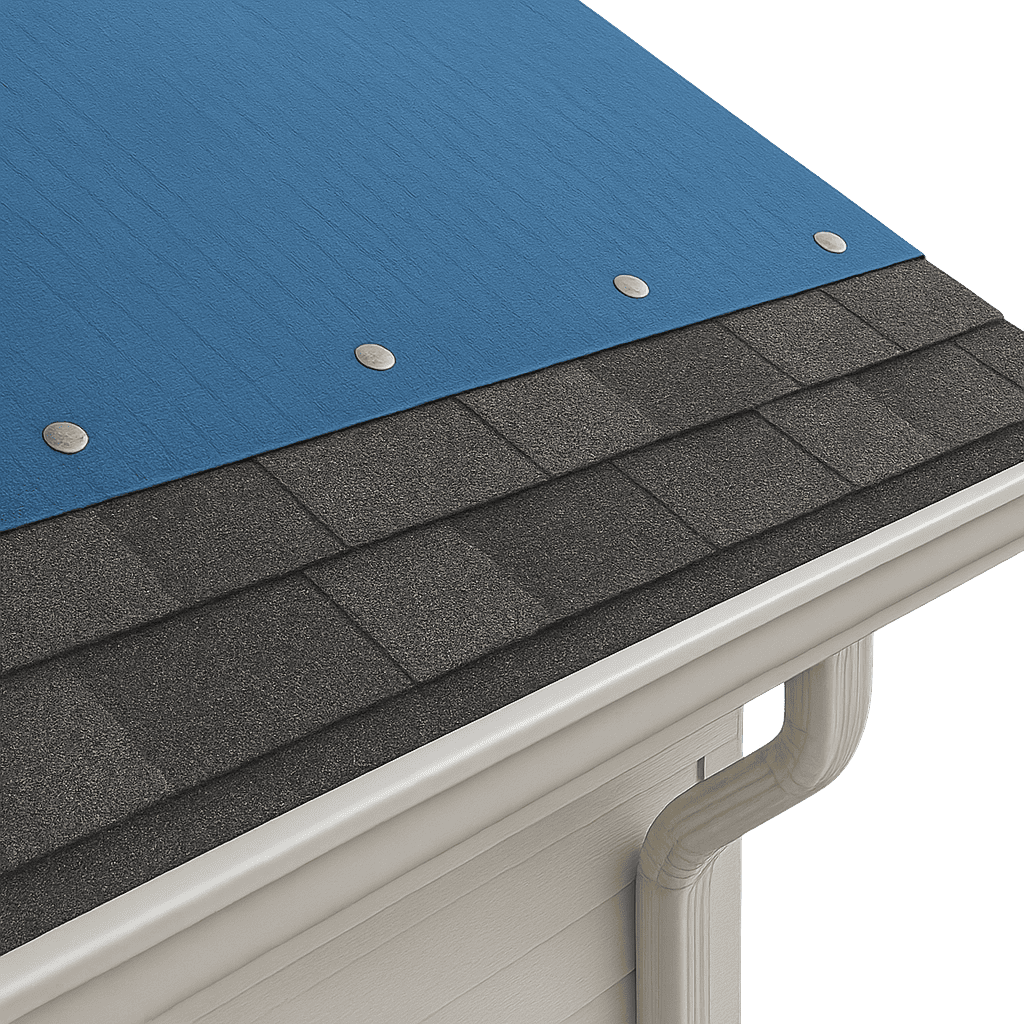
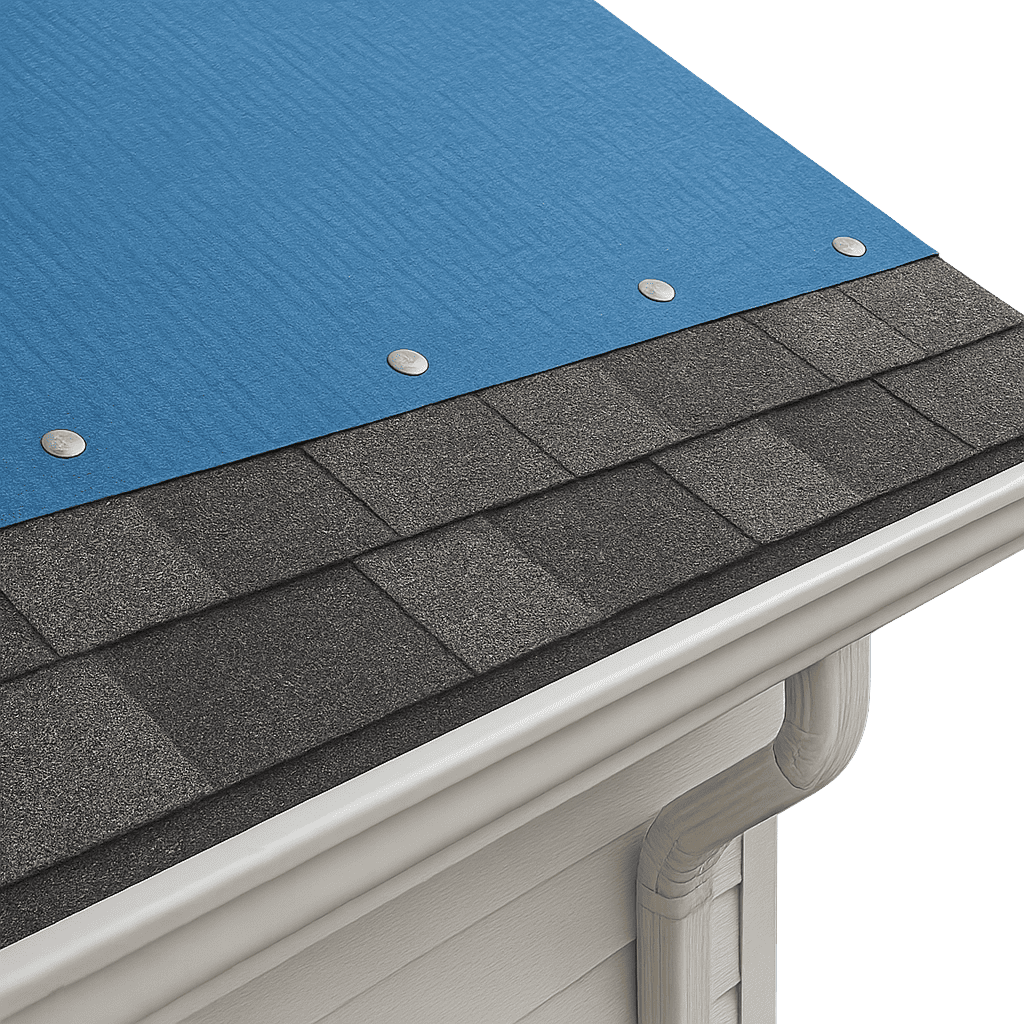
Synthetic Underlayment
Are you considering a roof replacement or new construction in Seattle and unsure about synthetic underlayment? This inno...
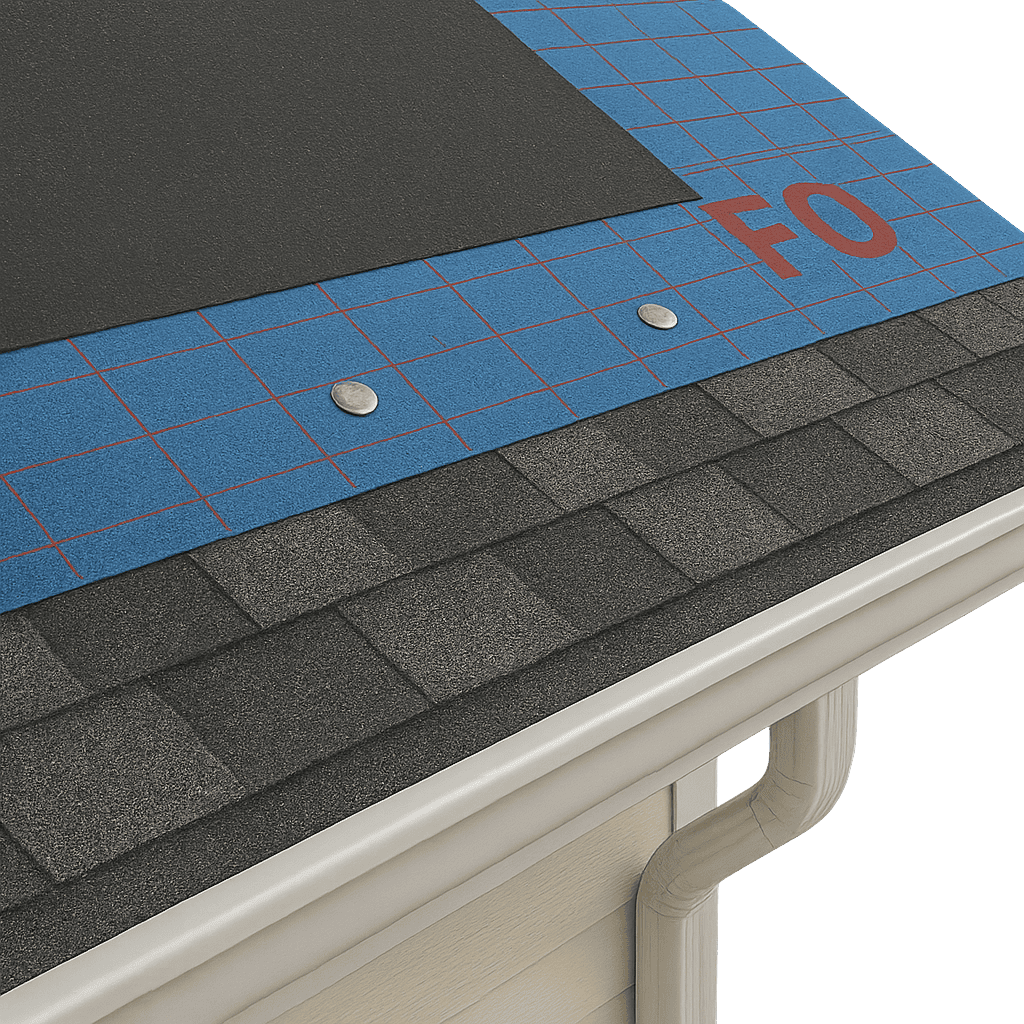
Ice & Water Shield
Are you worried about potential leaks in your Seattle home caused by ice dams? Ice & water shield roofing is a crucial d...
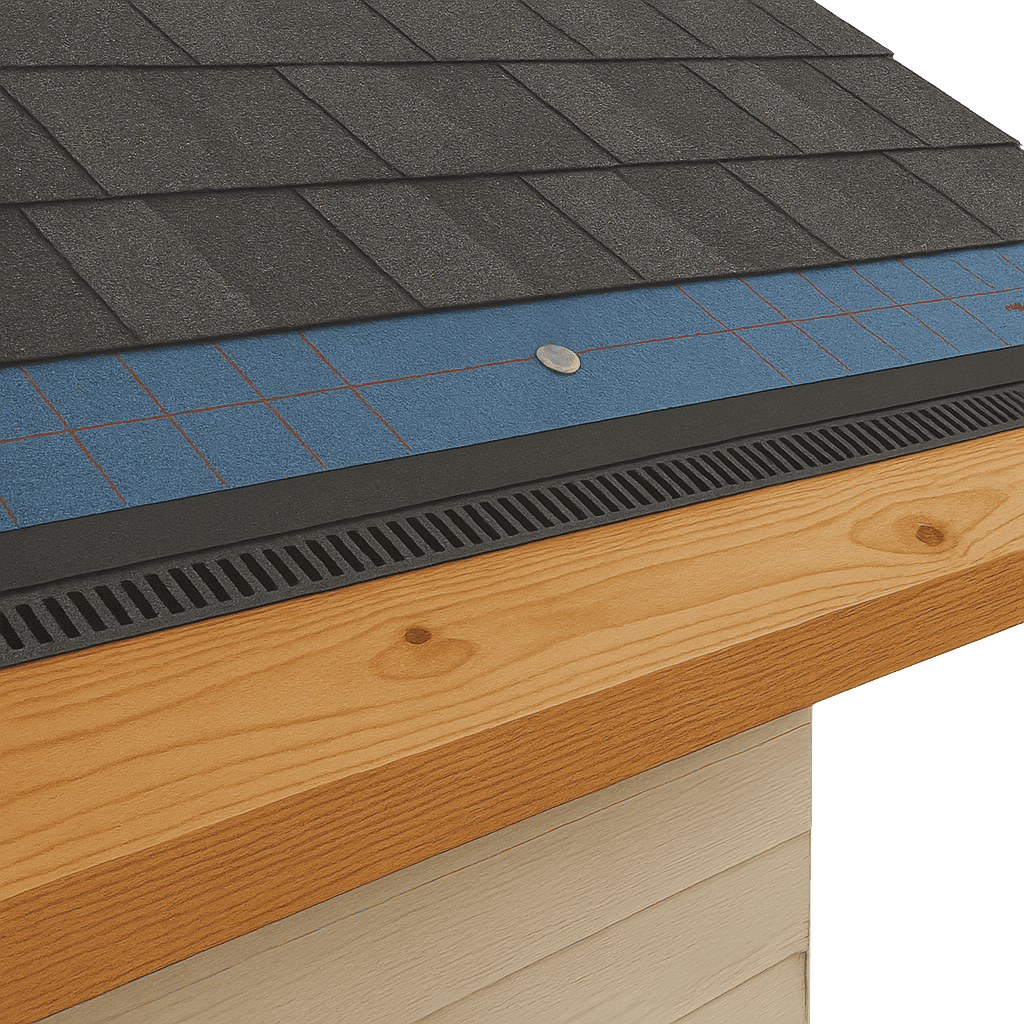
Vented Decking
Are you torn between traditional deck designs and the innovative approach of vented decking in Seattle? Ventilated decki...
Understanding Synthetic Underlayment Options for Seattle Roofs
Synthetic Underlayment Pricing
Project & Assessments
Preparatory Works
Structural & Carpentry
Mechanical, Electrical & Plumbing (MEP)
Finishes & Installations
Additional Services & Permitting
Prices are starting points. Get an exact quote for your project.
Common Synthetic Underlayment Problems in Seattle Homes
In Seattle, many homeowners face specific challenges regarding roof underlayment. One common issue is inadequate moisture protection due to poor-quality materials. If you notice leaks or water stains on your ceilings, this could indicate an underlayment problem. Another concern is the deterioration of older underlayment, especially in homes built before modern standards were established. Signs of wear such as curling or cracking warrant an inspection. Additionally, improper installation can lead to vulnerabilities in your roof, which you might detect through drafts or mildew growth. With Seattle's diverse housing stock, understanding these specific issues can help you maintain your roof more effectively.
When to Consider Synthetic Underlayment Replacement
Recognizing when to act is crucial for the longevity of your roofing system. If your roof is leaking or showing visible signs of damage, it’s wise to consult a professional for synthetic underlayment assessment. DIY repairs might be tempting, but improper handling can lead to more significant issues. Pay attention to urgency indicators, such as water entering your home or accumulated moisture in your attic. In Seattle, you may need a permit for substantial roofing projects, especially if they involve structural alterations, so be sure you understand the local regulations before starting any work.
What to Expect: The Synthetic Underlayment Process
The process of replacing synthetic underlayment typically involves several steps. Initially, a thorough inspection will identify the city of your current underlayment and any potential problems. Once you’ve decided on a course of action, preparations include clearing the area around your roof and, if necessary, coordinating with roofing professionals for material delivery. In Seattle, proper inspections will occur throughout the project to ensure compliance with city codes. Expect to see a timeline that includes material installation, drying times, and final evaluations to ensure your new underlayment is functioning correctly.
Synthetic Underlayment Cost Factors in Seattle
Cost considerations for synthetic underlayment projects vary widely based on several factors. The type of materials you choose significantly affects the overall expense; higher quality underlayment can offer better protection but may come at a premium. Labor costs in Seattle also fluctuate depending on the complexity of the project and local market conditions. Furthermore, any required permits or inspections will add to your budget. It's essential to understand what is included in quotes, as additional services such as structural repairs or old underlayment removal can further increase costs.
Choosing the Right Approach for Your Synthetic Underlayment Project
When it comes to selecting the most suitable synthetic underlayment, consider the specific needs of your roof and home. Traditional felt, although cheaper, may not provide the same durability as synthetic options. Weigh the pros and cons of each material type, looking at factors like UV resistance, weight, and mold prevention features. Long-term usability and maintenance should guide your decision, especially considering how those choices can impact your roof's performance over time. In Seattle, understanding the diverse roofing systems prevalent across the city will help you make informed decisions that align with your property’s needs.
Working with Eco Star in Seattle
Choosing Eco Star for your synthetic underlayment needs ensures a quality experience from planning through execution. Quality contractors prioritize accurate assessments, proper material selection, and thorough installations that align with Seattle’s building codes. Our focus is on delivering durable solutions that will protect your home effectively. Collaborating with a knowledgeable team means fewer headaches and greater peace of mind as we navigate the complexities of your underlayment project together. Explore your options and see how we can assist in enhancing your home’s protection today.
Common Questions
Understanding Ice & Water Shield Roofing in Seattle: Key Considerations
Ice & Water Shield Pricing
Project & Assessments
Preparatory Works
Structural & Carpentry
Mechanical, Electrical & Plumbing (MEP)
Finishes & Installations
Additional Services & Permitting
Prices are starting points. Get an exact quote for your project.
Common Ice & Water Shield Problems in Seattle Homes
Homeowners across Seattle often face unique challenges with their roofing systems, especially when considering ice and water shield installation. Typical issues include:- Water intrusion due to roof leaks during heavy rains, a common scenario in many areas of the city.
- Ice damming caused by insufficient insulation and ventilation, which can lead to roof damage and costly repairs.
- Old or worn roofing materials that may not effectively prevent water penetration from snow melt or rain.
- Flashing failures around chimneys and vents, allowing water to seep into vulnerable areas.
- Inadequate installation of existing ice and water barrier products that do not meet local code requirements.
When to Consider Ice & Water Shield Installation
If you live in Seattle and notice any signs of water damage or ice buildup, it may be time to evaluate your roofing solutions. DIY repairs are only advisable for minor issues; however, substantial problems often require professional intervention to ensure proper installation and compliance with regional codes. In certain instances, such as preparing for winter months or during a major roofing renovation, the urgency of installing ice and water shields cannot be overcityd. Local building codes mandate specific layers of protection in certain roof areas; understanding these requirements can prevent issues later on.What to Expect: The Ice & Water Shield Process
Installing ice and water shield involves several steps for a successful project. Initially, a thorough inspection is conducted to assess your current roofing system. Once an evaluation is complete, you'll need to prepare for any necessary repairs and possibly the removal of old materials. The installation of the ice and water shield membrane will follow, applied along eaves, valleys, and penetrations. Expect thorough inspections from local authorities, as compliance with Seattle’s building codes is crucial. After installation, clean-up and final inspections will ensure that all aspects meet safety standards.Ice & Water Shield Cost Factors in Seattle
The cost of ice and water shield installation in Seattle varies significantly based on several factors. These include the size and complexity of your roof, the type of existing materials, and the degree of preparation needed before installation. Additional expenses may arise if local permits are required or if any modifications to your roof structure are necessary to comply with building codes. Generally, costs will encompass labor, materials, and any applicable inspections, with potential increases for custom installations or unforeseen repairs.Choosing the Right Approach for Your Ice & Water Shield Project
When considering your options for ice and water shield installation, it’s important to weigh various materials available and their respective installation techniques. Some homeowners may choose self-adhering membranes for ease of application, while others may opt for mechanically attached systems for specific roof designs. Consider the long-term usability and maintenance of the selected products, as well as the inherent risks of improper installation. Consulting with an experienced contractor who understands Seattle’s unique structural requirements can provide invaluable insight.Working with Eco Star in Seattle
Choosing Eco Star means partnering with a qualified team committed to providing efficient planning and execution for your roofing project. A reputable contractor will not only manage the installation process but will also ensure compliance with all relevant codes in Seattle. Our dedicated professionals bring experience and expertise, prioritizing your needs from start to finish. Reach out to us today to discuss how we can assist with your ice and water shield installation, ensuring your home remains protected against the elements.
Common Questions
How to Choose Vented Decking for Your Seattle Home Renovation
Vented Decking Pricing
Project & Assessments
Preparatory Works
Structural & Carpentry
Mechanical, Electrical & Plumbing (MEP)
Finishes & Installations
Additional Services & Permitting
Prices are starting points. Get an exact quote for your project.
Common Vented Decking Problems in Seattle Homes
In Seattle, many homeowners face challenges with traditional decking materials that can lead to moisture issues, warping, and mold growth. You might notice signs like rotting wood, discoloration, or persistent water pooling on the surface of your deck. Given the diverse range of residential properties across the city—from older homes with wooden structures to modern designs with synthetic materials—it's crucial to address these specific issues. Furthermore, improper ventilation can exacerbate these problems, compromising the integrity of your outdoor space. Lack of air circulation often leads to an uncomfortable buildup of heat and humidity underneath the deck, causing further deterioration. The presence of insects or fungi may also indicate ventilation-related problems that require immediate attention.When to Consider Vented Decking Installation
If you're experiencing any of the signs mentioned, or if your existing decking appears to be suffering due to inadequate ventilation, it might be time to think about installing vented decking. Look for indicators such as excessive heat underfoot, moisture retention, or even insect activity in the surrounding areas. While some minor repairs can be handled as DIY projects, situations involving significant structural concerns should definitely call for professional evaluation. In Seattle, specific permit and code considerations may apply depending on the scope of your decking installation, so consulting with a local contractor who understands these regulations will ensure compliance and avoid future headaches.What to Expect: The Vented Decking Process
When embarking on a vented decking project, expect an initial assessment of your existing structure by a qualified expert. This assessment may involve determining the best ventilation strategy tailored to your home’s layout and condition. Following this, you'll select materials that suit both your aesthetic preferences and functional needs. Your contractor will likely obtain any necessary permits, ensuring that all work complies with Seattle city building codes. Throughout the process, be prepared for potential inspections, especially if structural changes are involved. Lastly, anticipate a timeline that accommodates ordering materials and scheduling the installation, which varies based on the complexity of your project.Vented Decking Cost Factors in Seattle
Costs for vented decking can vary significantly in Seattle, dictated by several elements such as the type of materials chosen, the size of your deck, and any prominent design features you wish to include. Labor costs can fluctuate based on the local market, and installation complexity might add to the final price. Other factors to consider are the costs associated with obtaining permits and inspections as required by Seattle’s building regulations. Be mindful that opting for premium materials or striving for elevated design might increase your overall budget, but they can provide improved durability and aesthetic appeal.Choosing the Right Approach for Your Vented Decking Project
When considering vented decking, think about the materials available. Options can range from traditional wood to composite materials, each with its unique benefits and drawbacks. Wood offers a natural look but may require more maintenance, while composite materials can provide longevity with minimal upkeep. Your choice should factor in the long-term usability of the decking alongside potential replacements and maintenance costs. Additionally, consider how various options will fit into Seattle's unique building codes and your own design preferences.Working with Eco Star in Seattle
By choosing Eco Star for your vented decking project, you'll have the advantage of professional insight and planning tailored to your specific needs. A good contractor distinguishes themselves through attention to detail, adherence to local regulations, and an understanding of the diverse housing styles throughout Seattle. We’re dedicated to guiding you through each step of the process—from selecting the proper materials to final installation—ensuring that your outdoor space remains functional, beautiful, and compliant. Let’s get started on creating a vented decking solution that meets your requirements.
Common Questions
Why Choose Eco Star for Underlayment & Protection in Seattle?
Expert Craftsmen
Our team consists of highly skilled professionals with years of experience in underlayment & protection.
Competitive Pricing
Quality workmanship at fair prices across Seattle. We provide detailed estimates with no hidden fees or surprises.
On-Time Completion
We respect your schedule and complete projects on time without compromising quality.
Workmanship Warranty
All our work is backed by a comprehensive warranty for your peace of mind.
Clear Communication
We keep you informed throughout every step of your project with regular updates.
Clean Worksite
We maintain a clean and safe work environment and leave your property spotless.
Common Underlayment & Protection Problems in Seattle Homes
Seattle homeowners often encounter several roof underlayment and protection challenges due to the variety of housing styles and age across the city. One common issue is moisture buildup, especially in older homes with outdated materials that fail to provide adequate waterproofing. You may notice water stains on your ceilings or walls, indicating leaks from a compromised underlayment. Another issue is inadequate insulation, which can lead to increased energy bills during colder months—traditional underlayment may not suffice for energy efficiency in older properties. Furthermore, homes not equipped with modern underlayments often face problems with roof degradation due to consistent exposure to rain and varying temperatures inherent to Seattle's climate. Additionally, newer constructions might utilize a less effective underlayment, resulting in premature deterioration and repairs down the line. Finally, issues of mold or mildew can arise, thriving in areas with insufficient barrier protection.
When to Consider Underlayment & Protection Service
Recognizing the right time to assess your roof’s underlayment and protective layers is essential for safeguarding your home. If you observe signs of moisture damage, such as dark spots or peeling paint, it's crucial to consider upgrading to a more durable underlayment. You should also evaluate your roof when planning a replacement or major renovation, as these projects often require an inspection of the existing underlayment. While some homeowners may attempt minor DIY repairs, it's advisable to consult professionals for a comprehensive assessment, especially when potential code compliance issues arise that could necessitate permits. In Seattle, ensuring that your roof meets local regulations is vital to avoid penalties and ensure safety.
What to Expect: The Underlayment & Protection Process
The process of addressing underlayment and protection typically begins with a thorough inspection by a qualified contractor. You should be prepared for an evaluation that checks the condition of your current roofing system and underlayment materials. Once the assessment is complete, you can expect a detailed plan outlining necessary repairs or replacements. Depending on the project's complexity and scope, the timeline can vary significantly, with most renovations completed within a few days to weeks. Throughout the process, be aware that compliance with local building codes is essential; inspections may be required at different stages to ensure quality and adherence to standards. Have all necessary paperwork and permits ready to facilitate a smooth process in Seattle.
Underlayment & Protection Cost Factors in Seattle
Understanding the factors that influence the cost of roof underlayment and protection is an important part of your project planning. Variables such as the quality of materials used, labor costs, and the complexity of your specific roofing situation all play significant roles. For instance, advanced synthetic underlayments may incur higher costs but offer superior performance over traditional felt. Additionally, if your home requires extensive repairs to the roofing deck or if compliance with local building codes necessitates specific materials, these expenses will affect the overall budget. Permit fees in Seattle can also add to the cost, depending on the scope of work involved. It’s wise to gather estimates from a few contractors to understand the range of potential spending.
Choosing the Right Approach for Your Underlayment & Protection Project
Selecting the best underlayment and protection approach involves balancing budget, material quality, and long-term value. For traditional homes, opting for high-quality felt might still be favorable, but for more modern homes, advanced synthetic options tend to provide better performance against the unique weather conditions found throughout Seattle. Consider the life expectancy of materials, where investing in superior underlayment can result in lower maintenance and repair costs in the long run. It's also prudent to evaluate manufacturer warranties and labor inclusions when deciding on contractors. Understanding how each option contributes to your home’s energy efficiency and overall protection against the elements will help you make an informed decision.
Working with Eco Star in Seattle
Engaging with a professional contractor like Eco Star for your underlayment and protection needs brings valuable expertise to your project. We emphasize quality planning, execution, and adherence to Seattle’s building standards, ensuring peace of mind for homeowners. A reputable contractor will distinguish themselves by offering customized solutions tailored to the unique characteristics of your home. You can expect a thorough consultation, where we evaluate your existing conditions and discuss optimal solutions. If you’re ready to explore your options for underlayment and roof protection, reach out to Eco Star, where our team is committed to ensuring your home’s safety and integrity.
Smart Underlayment & Protection Choices for Seattle Homes
Underlayment and secondary protection decide whether a reroof is a short-term patch or a long-term fix. For Seattle properties, material selection, decking condition and permit triggers change scope — start by confirming decking soundness and flashing details.
When scope and cost shift — the practical factors that matter
Primary triggers: compromised decking (soft spots), missing ice & water shield at valleys, complex roof geometry and rooftop access. Each adds labor and specialty underlayment. In our experience (15 years in Seattle), those factors explain most scope increases.
Impact on lifespan & costs
Typical underlayment upgrades can extend roof life by 5–10 years and reduce long-term replacement expense by an estimated 12% over 20 years — a measurable lifecycle benefit for Seattle housing stock.
Real program results
Eco Star has completed 1,200+ underlayment & protection projects in the Seattle area with a 98% customer satisfaction rating. Typical measurable ROI on preventive underlayment: reduced repair incidents and extended service life.
Signs you need underlayment attention
Recurring leaks at flashing, visible nail rust on attic decking, or recent patching near valleys and penetrations are clear indicators that protection is degraded and replacement will avoid repeat repairs.
What usually increases scope & cost
Soft or rotted decking, complex flashing details, historic material matching, and permit-required removals. We itemize each driver in the written scope so you see where changes occur.
How to prepare for an accurate estimate
Have recent photos of roof intersections, note any attic leaks, and confirm property access. We review permit history for Seattle properties to identify required scopes ahead of time.
Free no-obligation estimate • 15 years local experience • 1,200+ projects
We back written scopes with a 5-year workmanship warranty and a 60-day price-lock on written estimates so you can schedule seasonal work without hidden changes.
Frequently Asked Questions about Underlayment & Protection
Find answers to common questions about our underlayment & protection services in Seattle.
Get Your Free Underlayment & Protection Estimate in Seattle
Schedule your free consultation today. Our experts will assess your project and provide a detailed, no-obligation quote.
No obligation • Same-day response • Licensed & Insured